'I tell you this/ to break your heart, /by which I mean only/ that it break open and never close again/ to the rest of the world.' - Mary Oliver
The concept
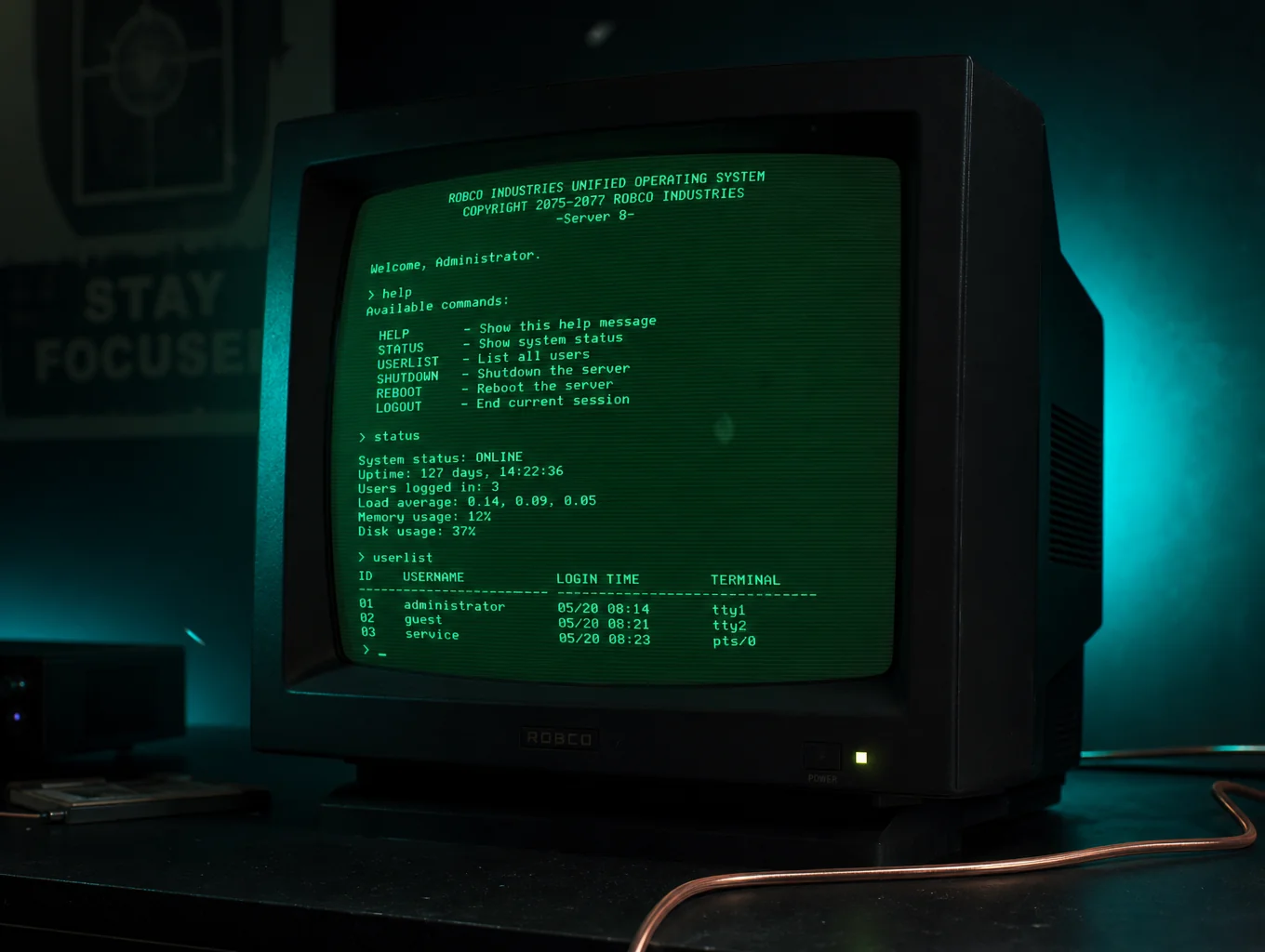
Bits & Pieces is inspired by broken-world-thinking, shifting attention from novelty and progress to the fragile work of sustaining digital worlds through breakdown, repair, and care.
Artist bio
Rick Sullivan is an Assistant Professor at HEC Montréal. Receiving his PhD from the University of Sydney, his research explores care and digital transformation, while his creative practice uses poetry to attend to fragility, maintenance, and the ethereal aspects of meaning. Beginning with the music project dreaming of electric sheep, his art experiments with alternative forms of writing that linger in the cracks between breakdown, repair, contradictions, and persistent existential hope.
Systemic breakdown
Digital systems are not seamless surfaces, but decaying architectures that glitch, rot, and fall out of sync.
Continuous repair
Broken-world-thinking re-centers the human labor of patching, maintaining, and reassembling fractured code.
Cyber-poetics
Six works translating hardware latency and software vulnerability into interactive verse across distinct media.
Gallery description
Bits & Pieces operates simultaneously as a work of digital art and a contribution to Information Systems research. As an artwork, it uses cyber-poetry, kinetic text, hyperlinks, code, glitches, QR codes, and interactive interfaces to create affective encounters with breakdown, uncertainty, and repair. Rather than communicating ideas through explanation alone, the installation invites visitors to experience disruption directly, transforming maintenance, failure, and care into aesthetic materials.
As an information systems artefact, the installation engages the concepts of infrastructure, innovation, and human-technology coexistence through the lens of broken-world-thinking. It shifts attention away from novelty and seamless functionality toward the often-invisible work required to keep systems going. By making visitors participants in acts of navigation, interpretation, and repair, the installation offers an alternative mode of engaging sociotechnical phenomena, translating abstract concerns about maintenance, fragility, and technological persistence into an experiential form that can be felt as well as understood (maybe).
Where to find me
Fr4gm3nt3d tr4nsm1ss10n 4cr0ss phys1c4l substr4t3 // c4th0d3 ph0sph0r l34k4g3, k1n3t1c s1gn4l d3gr4d4t10n, 4nd 4synchr0n0us n3tw0rk f33db4ck l00p [S1GN4L_1NT3GR1TY: 12.4% // D3SYNC].
signal
3xh1b1t_run::0x01_0NG01NG // n0_f1x3d_t3rm [DR1FT_R4T3: 98.4% // RUNT1M3_F41L]
3v3_pr0t0c0l_tr4c3::thurs_cycl3s_22:00 // v01d_buff3r_chk [0xDEAD_P4CK3T_L0ST].
terminal
g4t3_0p3n::TU3-SUN//11:ØØ--19:0Ø [DR1FT_R4T3: 84.1% // C4TH0D3_L34K]
MØN//H4LT::h4rdw4r3_r3c4l1b // b1t-r0t_cycl3_und3rw4y [DR1FT_THR3SH_3XC33D3D].
broken-world-thinking
T3RM_04 // S3CT_18 // 0x182_1ND_P4RKW4Y [C00RD_L0CK: NULL_V01D_N0D3//0xFA]
S0UTH_P3D_R4MP::s1gn4l_p4ck3t_p4ss // z3r0-3l3v_c0rr1d0r [TR4C3_V4P0R1Z3D].
obsolescence
t1m3d-3ntry::fr33_t0k3n // r3s3rv_g4t3 [BUFF3R_V4L: 0x00 // ACK:F4LS3]
buff3r_1s0l4t10n::scr33n-d3c4y_4tt3n // sl0t_4ll0c [ST0CH4ST1C_3RR//0xFF_F41L].
1nqu1r3::cur4t0r14l_w4lkthr0ugh // 4cc3ss1b1l1ty_4cc0mm0d4t10n [TR4C3_0x77].
BUFF3R_Z0N3 // S1gn4l n01s3 4l0ng 4cc3ss p4th [P4CK3T_C0RRUPT]. Gr0und l00p t3rm1n4ls 1nst4ll3d 4dj4c3nt t0 null 3ntry [0xDEAD_3RR].